
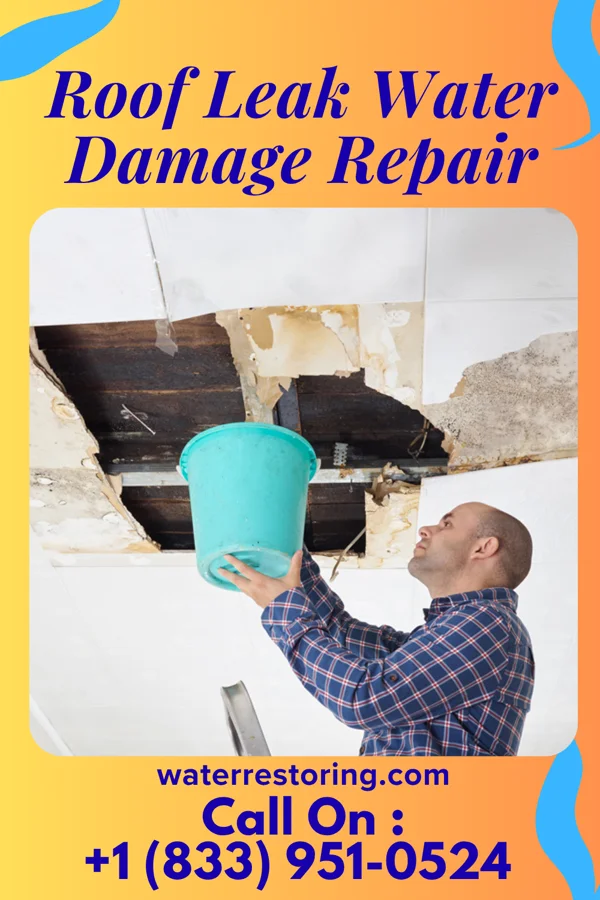
Why Roof Leak Damage Spreads in Big Run
Most water damage emergencies in Big Run start with Big Run, Pennsylvania experiences frequent spring and fall thunderstorms, which can lead to sudden heavy rainfall and strong winds. These conditions often result in roof leaks, especially in older homes with deteriorating shingles or flashing. The region's occasional late spring snowmelt can also contribute to water infiltration.. A close second is During the summer months, Big Run sees high humidity levels that can cause condensation buildup within attics and walls, leading to long-term moisture issues. In the winter, freezing temperatures can cause ice dams to form on roofs, exacerbating water damage risks.. From the second water touches the property, every minute changes what gets saved and what gets ripped out.
The climate in Big Run, with its mix of heavy rain, high humidity, and freezing temperatures, creates a unique set of challenges for roof integrity. Homes in this area are particularly vulnerable to water damage from both sudden storms and prolonged moisture exposure.
Most roof leak water damage repair calls in Big Run come from Big Run, Pennsylvania experiences frequent spring and fall thunderstorms, which can lead to sudden heavy rainfall and strong winds. These conditions often result in roof leaks, especially in older homes with deteriorating shingles or flashing. The region's occasional late spring snowmelt can also contribute to water infiltration.. Running a close second is During the summer months, Big Run sees high humidity levels that can cause condensation buildup within attics and walls, leading to long-term moisture issues. In the winter, freezing temperatures can cause ice dams to form on roofs, exacerbating water damage risks.. Local mold risk: In Big Run, mold can develop within 48 hours of a water leak, especially in damp, poorly ventilated areas. This can lead to secondary damage such as wood rot, decreased indoor air quality, and structural weakening.
For public guidance on the health effects of mold after prolonged water exposure, see the EPA mold and health page.